
A scalping strategy forex traders use looks for many small, quick gains.
Scalping sits at the fast end of the trading spectrum. Positions last from seconds to a few minutes, targets are measured in a handful of pips, and the trader may place dozens of orders in a session. That pace attracts people who like action, but it also stacks up costs and mistakes quickly. This guide explains how a scalping strategy for forex works, what it demands from you, and where US traders need extra care.
How a scalping strategy forex traders use actually works
Scalping is not a single method. It is a style defined by holding time and trade count, and the details change from trader to trader.
What forex scalping means in practice
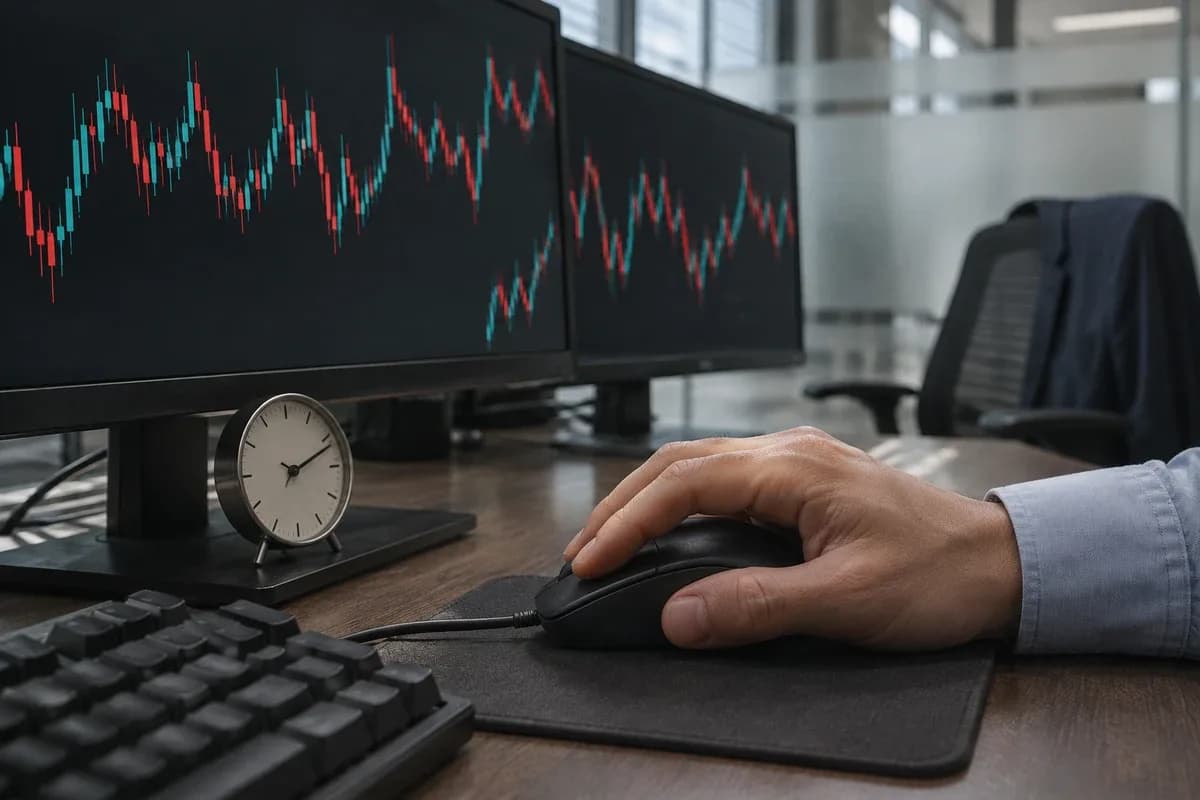
A scalping strategy forex educators describe is really a bundle of choices about entry, exit, pair and time of day. A scalper tries to capture a small price move, often just a few pips, and exits before the market has time to turn. The idea is that many small, controlled wins can add up, provided the losses stay smaller than the wins. Nothing guarantees that outcome, and plenty of scalpers find that costs eat the edge.
Timeframes and sessions scalpers prefer
Most scalpers work on one-minute to five-minute charts and check a slightly higher chart for direction. Using a scalping strategy forex setup on a chart that is too fast can mean trading noise, since tiny moves are driven more by spread and random order flow than by real direction. They tend to trade when liquidity is high, which usually means the London session and the overlap with New York. In quiet hours spreads can widen and price can drift without direction, so the same setup that worked at midday may fail late in the evening. Matching your trading hours to the sessions your strategy was built for is one of the simplest ways to improve consistency.
Which pairs suit a scalping strategy
Major pairs such as EUR/USD, GBP/USD and USD/JPY are the usual choice because they typically carry the tightest spreads and the deepest liquidity. Exotic pairs often quote wider spreads, which can swallow a small target before the trade even starts. Pick one or two pairs and learn how they behave rather than hopping between many. Over time you start to recognize the typical pace of each pair at different hours, which is knowledge no indicator can replace.
Core setups behind the best scalping strategy forex traders discuss
There is no single best scalping strategy forex traders agree on, and each popular setup has trade-offs. Keep whichever you pick simple enough to follow under pressure.
Moving average pullbacks
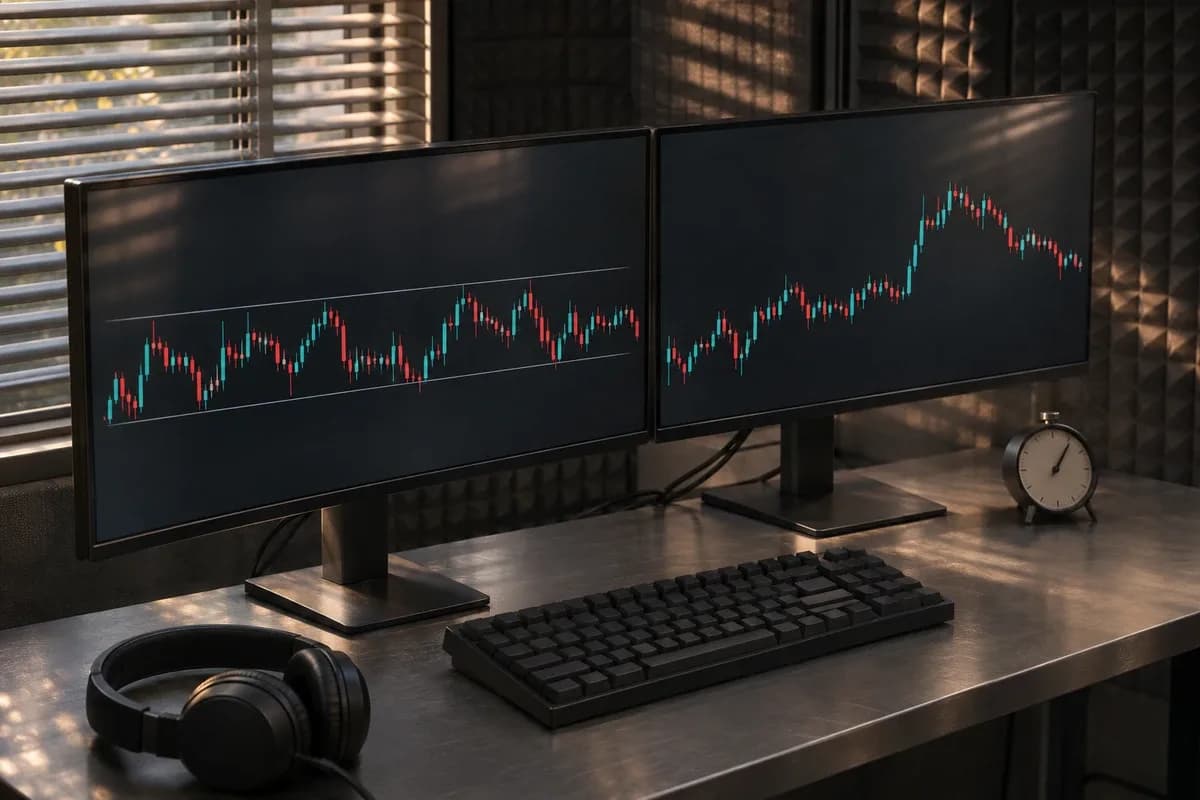
The trader waits for price to trend in one direction, then enters when it pulls back to a short moving average and starts moving again. A stop sits just beyond the pullback low or high. This setup tries to follow momentum instead of guessing reversals, and it struggles in sideways markets where price keeps crossing the average. Some traders add a second filter, such as a higher timeframe trend, to avoid taking pullback entries against the larger direction.
Range and support or resistance bounces
When price moves between two clear levels, a scalper may buy near support and sell near resistance with small targets. The danger is a breakout. A tight stop placed just past the level limits that damage, but repeated stop-outs add up. A scalping strategy forex traders build around ranges works best when the range is clean and the spread is small, and it fails when a news release breaks the level. Reading support and resistance well is a skill that takes practice on a demo account first. A level that has held several times is more meaningful than one touched once, though even strong levels fail.
News and momentum bursts
Some scalpers trade the burst of movement after a scheduled data release. Spreads can widen sharply at those moments, and orders may fill at worse prices than expected, which is called slippage. Many beginners are better off avoiding the minutes around major releases until they understand how their broker behaves. If you do trade news, keep size small and accept that the stop may not fill where you expect.
Costs, execution and rules that matter to US scalpers
For a scalper, execution quality is part of the strategy. A small edge disappears if the costs are large.
Spread, commission and slippage
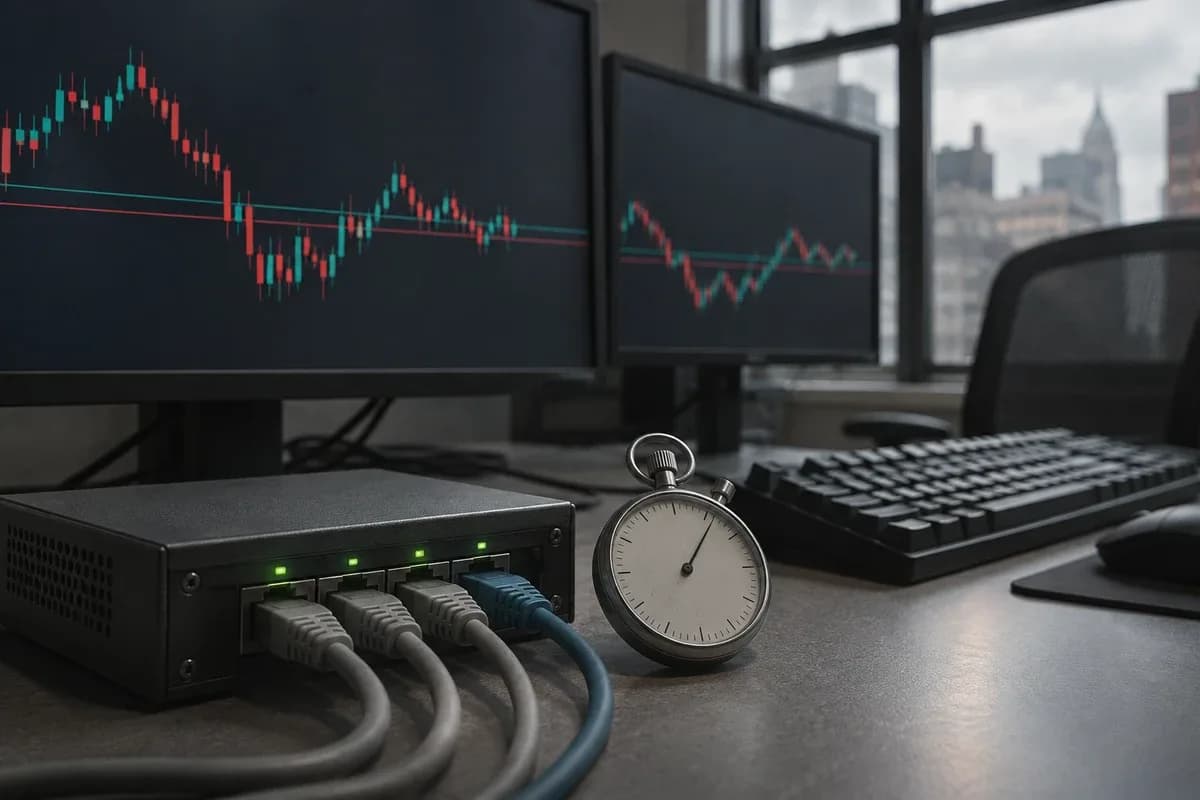
With targets of a few pips, a spread of one pip or more is a large share of every trade. Add commission on a raw-spread account and slippage during fast moves, and the break-even hit rate rises. Before scalping, work out the total cost per round trip on your pair and compare it with your typical target. If your target is three pips and the round trip costs one pip, you are giving away a third of every winner before the market has done anything.
Leverage limits in the United States
US retail forex is regulated by the CFTC and supervised through the NFA. The rules cap leverage at 50 to 1 on major currency pairs and 20 to 1 on other pairs, which is lower than what some offshore brokers advertise. Lower leverage means a scalper needs more margin for the same position size, so account size and risk per trade need to be planned together. A forex scalping strategy that only works with very high leverage is not a strategy a US account can run as designed.
Broker policies on scalping
Not every broker welcomes scalping. Some set a minimum holding time, restrict trades around news, or use dealing practices that affect fast orders. Read the execution policy and the terms before funding an account, and confirm the firm's registration on the regulator's official lookup instead of trusting a banner on its website.
Building a scalping strategy forex plan step by step
A scalping strategy forex traders can actually follow starts on paper, not on a live chart. The steps below turn a loose idea into a written plan you can test.
Define the setup and the exit
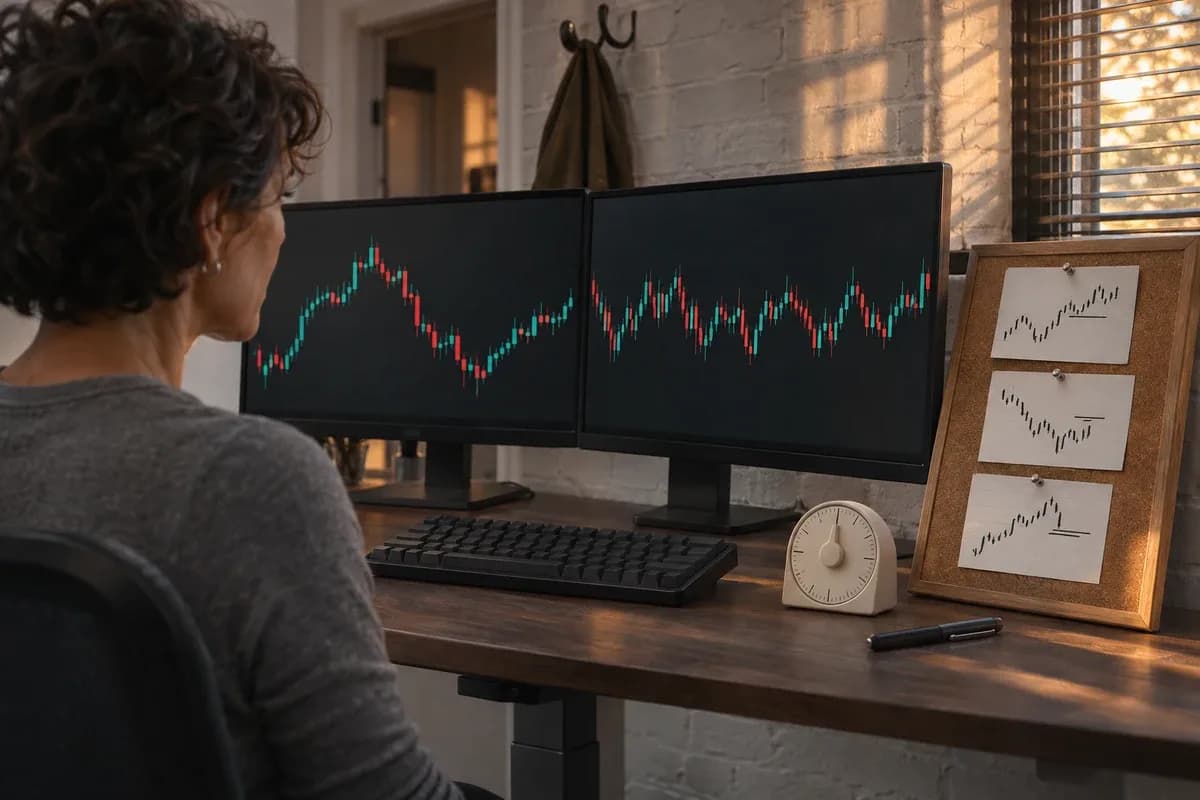
Write down exactly what has to be true before you enter: the trend direction, the trigger and the distance to your stop. Then define the exit for both outcomes, a profit target and a stop loss, before you click. A rule that cannot be written in two or three sentences is usually too vague to test.
Backtest and forward test
Backtesting means applying your rules to past charts to see how they would have performed, and forward testing means running them on a demo account in real time. Backtests tend to look better than live results because they ignore slippage and the stress of real decisions. Treat a good backtest as a reason to keep testing, not as proof.
Review costs against results
After a few weeks of demo trades, total up the spread and commission you would have paid and subtract them from your gross results. Many scalping strategies that look profitable before costs turn flat or negative afterward. If the numbers only work with unrealistic fills, change the plan or stop.
Risk management for forex scalping tips that hold up
Most forex scalping tips come back to the same point: protect the account first. Fast trading magnifies bad habits.
Position sizing and stop losses
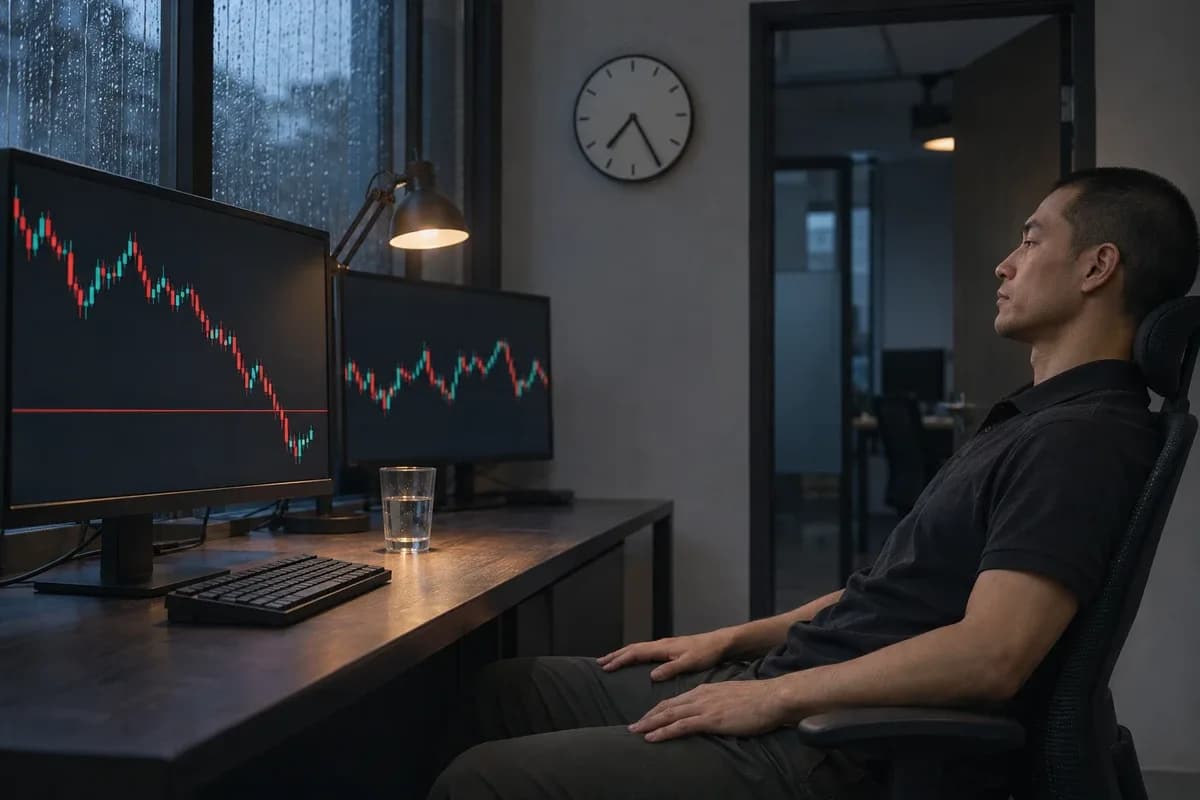
Decide in advance how much of the account a single trade may lose, and size the position so the stop distance fits that amount. A stop loss placed before entry is a rule, while a stop moved after entry is a hope. Scalpers who skip stops can turn a small loss into a damaging one in a few minutes. Hard stops also protect you from a connection drop or a sudden spike while you are away from the screen.
Daily loss limits and overtrading
Because scalping creates many decisions, tiredness shows up fast. Mistakes made late in a session are often the ones that erase the gains of an entire morning. A daily loss limit, say a fixed share of the account that you choose in calm conditions, tells you when to stop. Overtrading after a loss is one of the most common ways small accounts shrink. Stepping away for a walk after two or three losses in a row is a rule many experienced traders set for themselves.
Keeping a journal and testing on demo
Record every trade with the setup, the reason, the cost and the result. A journal shows whether the strategy works after costs or only feels busy. Reviewing it weekly also reveals patterns, such as losing more in the last hour of a session or after a string of wins. How to scalp trade forex without risking real money is simple: run the plan on a demo account for several weeks and compare the results with your written rules.
Frequently asked questions about forex scalping
- Is scalping forex profitable?
- Some traders make it work, but there is no guarantee, and many lose money. Costs, discipline and execution decide the outcome far more than the entry signal does.
- How much money do I need to scalp?
- There is no fixed number. A larger account makes it easier to size positions within your risk limit under US leverage caps, while a very small account leaves little room for costs.
- Can I scalp with a demo account first?
- Yes, and you should. A demo shows how setups behave, though it cannot reproduce real slippage or the pressure of risking your own money.
- Is a scalping strategy forex traders copy online safe to follow?
- Copying a strategy you found online without testing it is risky, because the author may have different costs, a different broker and selective results. Test any scalping strategy forex educators share on a demo account before risking real money.
- Does scalping work for part-time traders?
- It can be hard. Scalping needs focus for the whole session, so people with a full-time job often prefer slower styles. If you only have short windows, trade those windows only and skip the rest. Scalping is a skill, not a shortcut, and losses are part of it.
- 1Risk warning: forex and leveraged trading carry a high risk of loss, and you can lose more than you deposit. In the US, retail forex is overseen by the CFTC and NFA, leverage is capped by rule and CFDs are not offered to retail clients. Check a broker's registration yourself before you fund an account. Some links here are affiliate links: we may earn a commission if you open an account, and it never changes a score or a rating. Nothing on this site is investment advice.